Cancer Awareness
Charles Alvin Pringle, Jr Esq
Cancer is not an abstract issue to me. It is personal.
I lost my brother, Charles A. Pringle Jr in 2006. He was not my biological brother, he was more. He was my ACE, my fraternity Brother, my heart, my confidante, my best friend, my go to and more. We were young when we became brothers, and we grew up with the kind of bond that made him family in every way that counted.
Charles was diagnosed with a rare and aggressive form of kidney cancer called renal medullary carcinoma. His journey began with symptoms that, at first, seemed like something else entirely. Eventually, doctors discovered a mass on his kidney. He underwent surgery, chemotherapy, radiation, and continued treatment as his medical team fought to stop the disease from spreading. They fought hard. He fought harder. But cancer won. And when you lose someone that young, someone who was supposed to have so much more life ahead of him, you do not simply move on. You learn to carry them with you.
Charles’ Story Should Not End With Our Loss of Him
One of the most important things I learned through Charles is that awareness matters. We have to pay attention to our bodies. We have to know our family medical history. We have to ask questions and advocate for ourselves and for the people we love. Sometimes that means getting tested. Sometimes it means telling your doctor that something does not feel right. And sometimes it means asking for a second opinion when you are facing an important medical decision.
Do not ignore the signs. Do not assume that something will simply go away on its own. We cannot control everything about cancer, but we can be more informed and more proactive, and we can encourage the people around us to do the same.
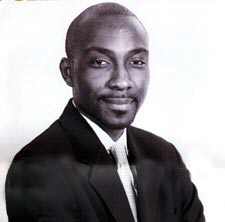
Remembering Charles
Charles’ life was about so much more than his diagnosis. He believed in service. He believed in giving back. And that is the part of his legacy I want people to remember most.
In his memory, the Charles A. Pringle Jr. Memorial Scholarship was established so that his commitment to public service could continue to impact others long after he was gone. That matters to me deeply. Because when someone we love is no longer here, one of the most powerful things we can do is make sure that something they believed in continues. Charles may not be here to see the lives that are touched by his legacy, but his name can still open a door. His story can still encourage someone to take their health seriously. His memory can still inspire someone to serve. His life can still make a difference.
Take Care of Yourself. Take Care of Your Family.
Cancer has taught me something I will never forget: do not take your health, or the people you love, for granted. Get the screenings that are appropriate for your age and history. Pay attention to your body. Know your family medical history and ask your parents and grandparents about illnesses that may run in your family. Talk to your doctor honestly. Ask questions without embarrassment. And when you need to, get a second opinion. You owe that to yourself. You owe it to your family. And you owe it to the people who love you.
I wish Charles had been given more time. I wish cancer had never entered his life. But I can make sure that his story continues to mean something. That is why I will always speak about cancer awareness, not because I have all the answers, but because I know what it feels like to lose someone you love. And if sharing Charles’ story helps even one person pay attention to their health, ask a question, get checked, or advocate for themselves, then his story is still doing something good.
For Charles. For our families. For all of us.